
Book Binding Options: A Complete Guide for Publishers & Authors
When it comes to book production, choosing the right book binding option is a critical decision that impacts durability, aesthetics, functionality, and even your project’s budget. Whether you’re publishing a novel, a children’s book, a corporate manual, or a coffee table art book, the binding method you select will define how readers interact with your work—and how it stands the test of time. As a leading printing and binding expert,Guangzhou Shanghua Color Printing offers a full range of professional book binding services, tailored to meet the unique needs of every project. Explore our comprehensive solutions at our independent site ecobookprint.com to find the perfect binding match for your book.
In this guide, we’ll break down 12 popular book binding options—rivet, saddle stitching, screw & post, comb binding, three-ring binding, spiral binding, side sewn, hardcover binding, perfect binding, corner stapling, wire-o binding, and concealed wire-o binding. We’ll detail their key features, pros and cons, and ideal use cases, so you can make an informed choice. Whether you’re a self-published author, a small press, or a large publishing house, you’ll learn how each binding method works and how Guangzhou Shanghua Color Printing can bring your vision to life with high-quality, cost-effective binding solutions.
Key Factors to Consider Before Choosing a Book Binding Option
Before diving into the 12 specific binding methods, it’s important to evaluate a few core factors that will narrow down your options. These factors will ensure your binding choice is practical, functional, and aligned with your project’s purpose:
- Page Count: Most binding methods have minimum and maximum page count requirements. For example, thin booklets work best with corner stapling or saddle stitching, while thicker books are better suited for hardcover or perfect binding.
- Durability Needs: Will your book be used frequently (e.g., a textbook or manual) or displayed as a collectible (e.g., a coffee table book)? Durable options like hardcover binding or side sewn binding are ideal for long-term use, while corner stapling is better for short-term publications.
- Lay-Flat Functionality: Do you need your book to lay completely flat when open? This is critical for cookbooks, manuals, and notebooks—options like spiral binding, wire-o binding, or side sewn binding are designed for this purpose.
- Budget: Cost varies significantly by binding method. Corner stapling and saddle stitching are the most affordable, while hardcover binding is the most premium. Guangzhou Shanghua Color Printing offers competitive pricing across all 12 binding options, with custom quotes available at ecobookprint.com.
- Aesthetics & Shelf Appeal: The binding method contributes to your book’s overall look. Hardcover binding exudes luxury, perfect binding offers a clean, professional finish, and concealed wire-o binding balances functionality with a sleek appearance.
12 Book Binding Options Explained in Detail
From simple, cost-effective methods to premium, decorative options, the 12 binding types below cover every need—whether you’re creating a small booklet, a professional manual, or a high-end collectible. Each method has unique benefits, making it suitable for specific projects. Guangzhou Shanghua Color Printing specializes in all 12 binding options, with custom solutions to match your project’s requirements.
1. Rivet Binding
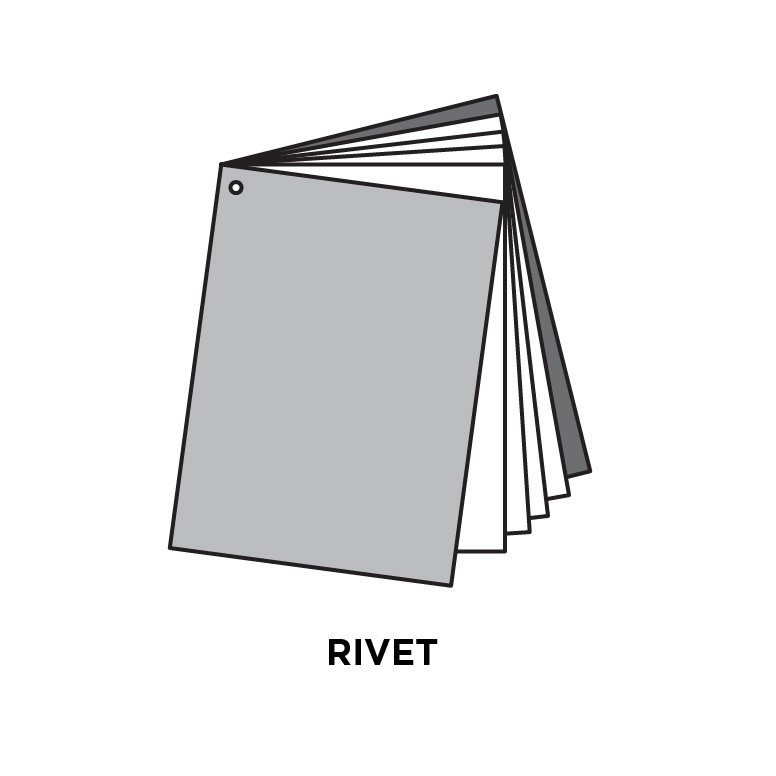
Rivet binding (also known as Chicago screw binding or post binding) uses metal or plastic rivets to secure pages together. The process involves punching holes through the book block and cover, then inserting rivets through the holes and securing them with a cap or screw. This method is known for its durability and ability to be easily disassembled and reassembled—making it ideal for documents that need frequent updates.
Key Features: Reusable and removable pages, durable metal/plastic rivets, customizable rivet colors and sizes, and a clean, industrial aesthetic. It works with both thin and thick page counts.
Pros: Easy to add or remove pages, highly durable (resists wear and tear), suitable for both professional and creative projects, and compatible with various cover materials.
Cons: More time-consuming to produce than stapled binding, rivets may add weight, and the spine is not printable (though the cover can be customized).
Ideal For: Portfolios, catalogs, manuals, legal documents, and any project that requires frequent page updates. Guangzhou Shanghua Color Printing offers rivet binding with custom rivet options—learn more at ecobookprint.com.
2. Saddle Stitch Binding
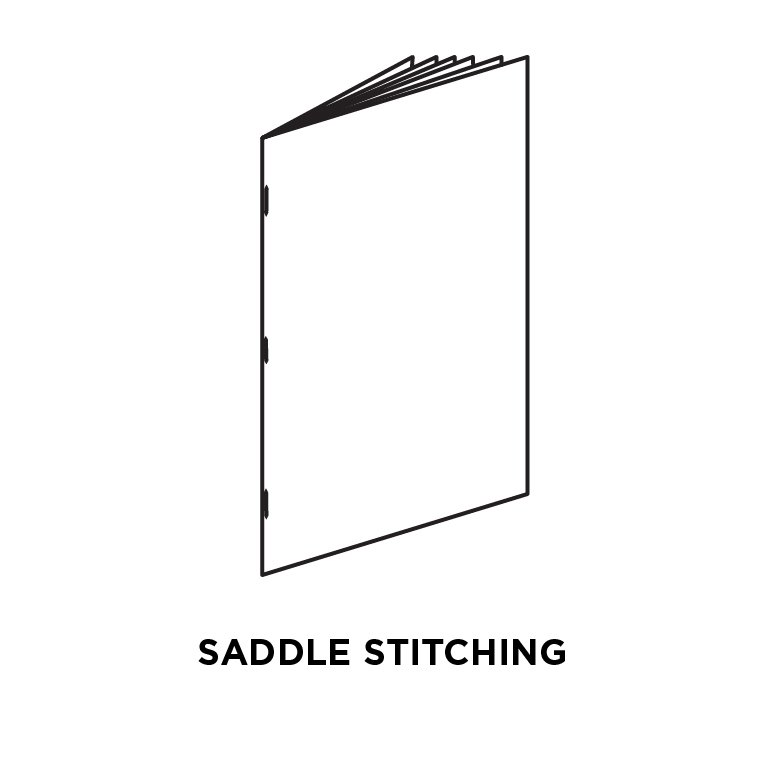
Saddle Stitch Binding (also called stapled binding) is one of the simplest and most affordable book binding options. It involves folding sheets of paper in half and stapling them through the fold line (spine) with wire staples, creating a clean, compact finish. This method is ideal for thin publications, as it works best with page counts between 8 and 64 pages (depending on paper thickness).
Key Features: Fast production time, cost-effective for short runs, lays flat when open, lightweight, and easy to distribute. The staples are hidden along the fold, maintaining a professional appearance.
Pros: Lowest cost among all binding methods, quick turnaround (ideal for tight deadlines), perfect for small projects like booklets, magazines, zines, event programs, and short children’s books.
Cons: Not suitable for thick books (pages may start to pull away from staples if over 64 pages), less durable than sewn or glued binding, and cannot accommodate printing on the spine.
Ideal For: Magazines, brochures, booklets, catalogs, event programs, short children’s books, and promotional materials.Guangzhou Shanghua Color Printing specializes in high-quality saddle stitch binding for short-run and bulk orders—learn more at ecobookprint.com.
3. Screw & Post Binding
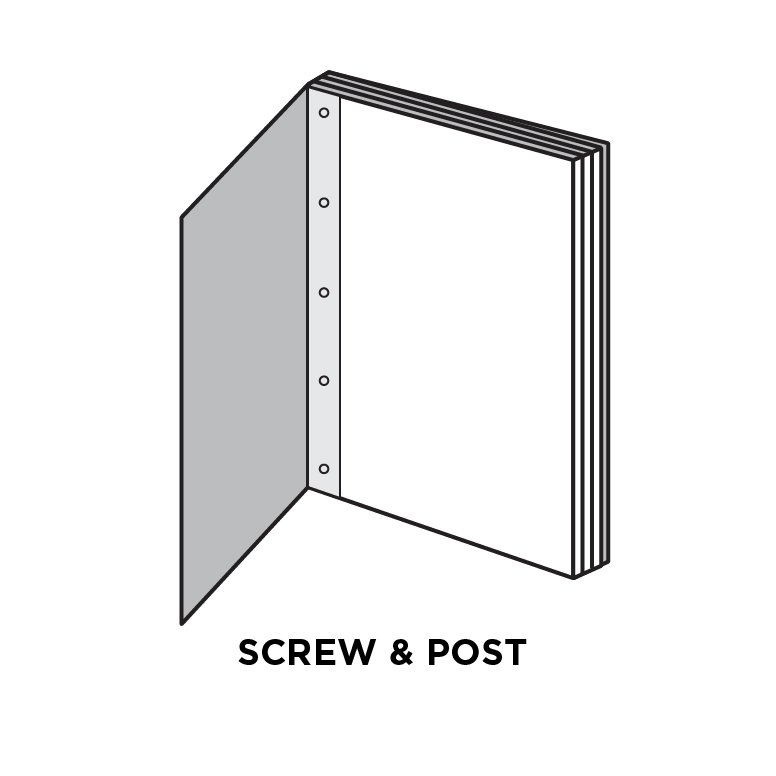
Screw & Post Binding (similar to rivet binding but with longer posts) uses threaded screws and posts to bind pages together. The process involves punching holes through the book block and cover, inserting a post through the holes, and securing it with a threaded screw. This method is highly customizable and allows for easy page removal and replacement, making it perfect for projects that need flexibility.
Key Features: Reusable, adjustable (posts come in various lengths for different page counts), durable metal hardware, and a professional, polished appearance. It can accommodate thick or thin book blocks.
Pros: Easy to update pages, highly durable, suitable for thick books, customizable post lengths and finishes, and ideal for professional documents.
Cons: More expensive than saddle stitch or corner stapling, requires precise hole punching, and the screws may loosen over time with frequent use.
Ideal For: Portfolios, architectural plans, legal binders, photo albums, and documents that need regular updates. Guangzhou Shanghua Color Printing offers screw & post binding with custom post lengths—visit ecobookprint.com to request a sample.
4. Comb Binding
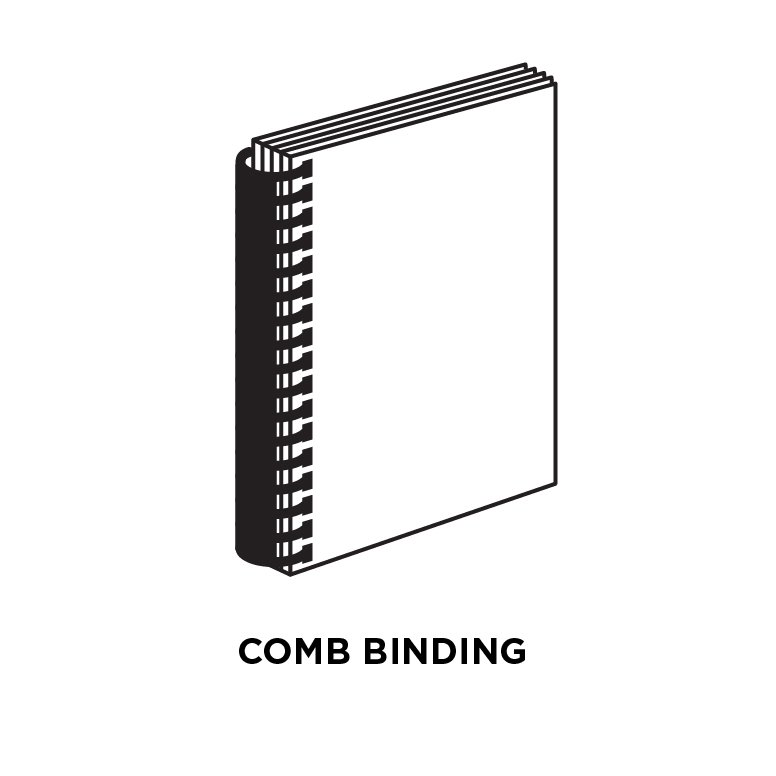
Comb Binding (also called plastic comb binding) is a popular, affordable option that uses a plastic comb to hold pages together. The process involves punching rectangular holes along the spine edge of the book block and cover, then inserting the plastic comb through the holes and closing it to secure the pages. This method is known for its flexibility and ease of use.
Key Features: Lightweight plastic comb, available in various colors, easy to add or remove pages, and compatible with page counts between 10 and 500 pages. It allows pages to turn freely but does not lay completely flat.
Pros: Affordable for short to medium runs, easy to customize (comb colors match book design), quick production time, and suitable for everyday use.
Cons: Less durable than spiral or wire-o binding (combs can break if bent), pages may shift over time, and the spine is not printable.
Ideal For: Manuals, workbooks, presentations, school materials, and small business documents.Guangzhou Shanghua Color Printing offers comb binding with a range of plastic comb colors—find out more at ecobookprint.com.
5. Three-Ring Binding
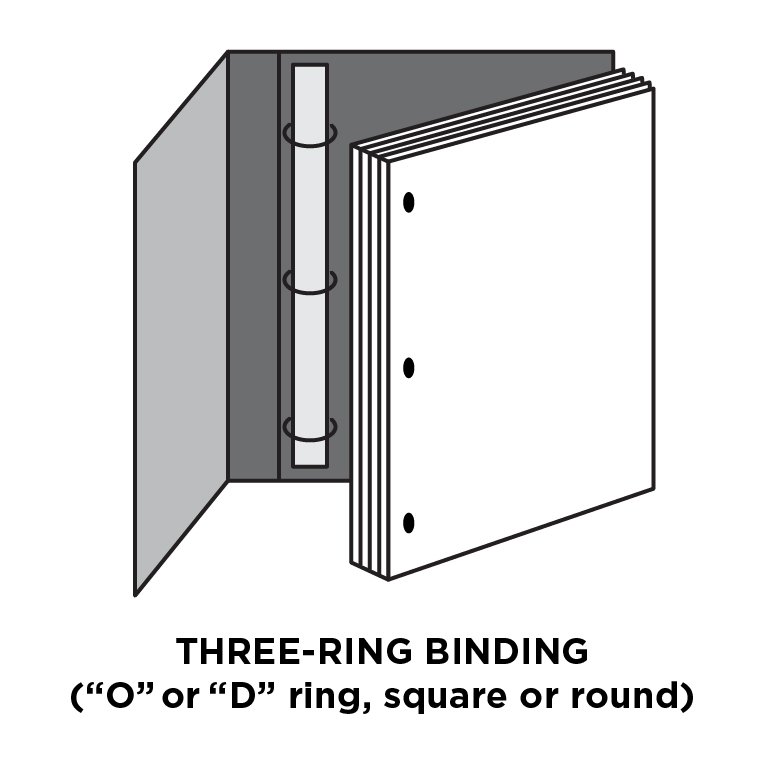
Three-Ring Binding (also called loose-leaf binding) is a flexible, reusable method that uses three metal rings to hold pages together. The process involves punching three holes along the spine edge of the pages and cover, then inserting the rings through the holes and closing them. This method is widely used for documents that need frequent page additions or removals.
Key Features: Fully reusable, easy to add/remove pages, compatible with standard three-ring binders, and available in various ring sizes (1/2 inch to 3 inches) for different page counts.
Pros: Highly flexible, ideal for documents that need updates, affordable (especially for small runs), and compatible with printable dividers and tabs.
Cons: Pages can fall out if rings are not closed properly, binders add weight, and the aesthetic is more casual than perfect or hardcover binding.
Ideal For: Notebooks, binders, training manuals, lesson plans, and any document that requires frequent updates. Guangzhou Shanghua Color Printing offers three-ring binding with custom hole punching and binder options—visit ecobookprint.com for details.
6. Spiral Binding (Coil Binding)
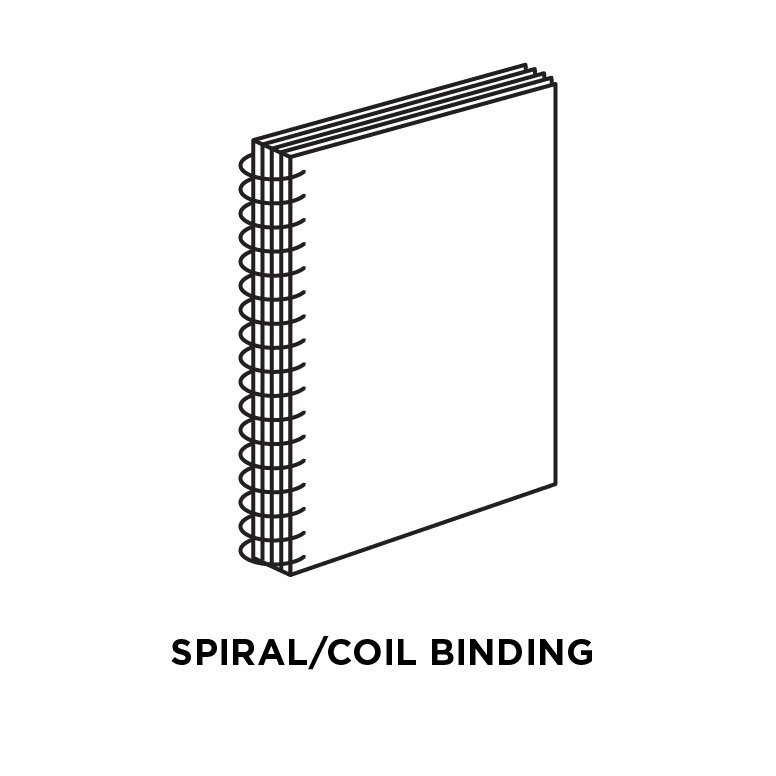
Spiral Binding (also called coil binding) is a practical, flexible option that uses a plastic or metal coil to hold pages together. The process involves punching holes along the spine edge of the book block and cover, then inserting the coil through the holes and crimping the ends to secure it. This method allows the book to lay completely flat and turn pages 360 degrees, making it ideal for books that need frequent reference.
Key Features: 360-degree page turning, lays flat, easy to add or remove pages (if needed), and available in various coil colors to match your book’s design. It works with page counts between 10 and 500 pages.
Pros: Highly functional for reference books, durable, affordable for short to medium runs, and compatible with most page counts.
Cons: The coil may become damaged if bent, and the spine is not printable (though the cover can still be customized). It also has a more casual appearance compared to perfect or hardcover binding.
Ideal For: Notebooks, planners, cookbooks, instruction manuals, technical guides, workbooks, and calendars. Guangzhou Shanghua Color Printing offers spiral binding in plastic and metal coils—find out more at ecobookprint.com.
7. Side Sewn Binding
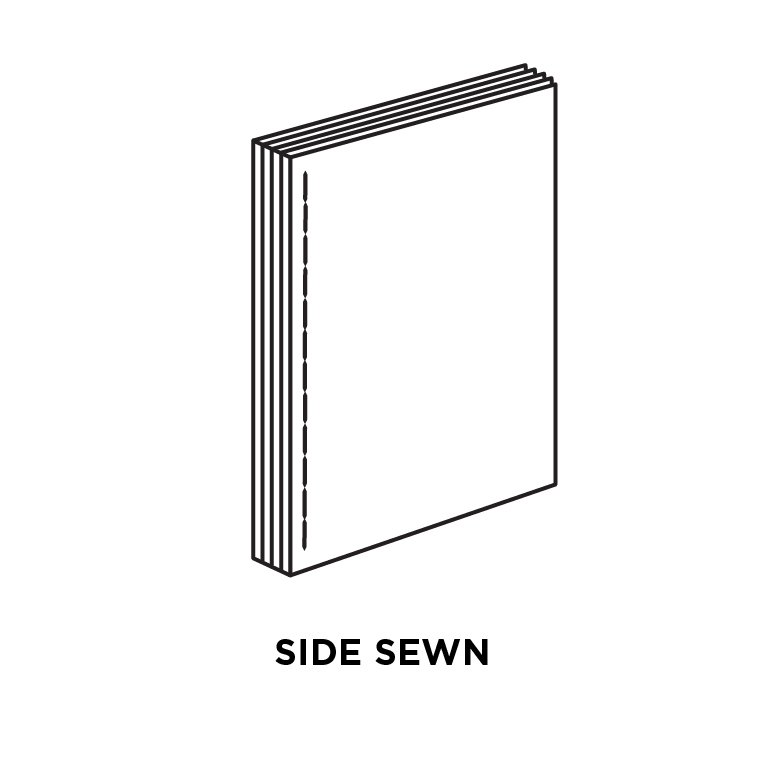
Side Sewn Binding (also called edge sewn binding) involves sewing pages together along the spine edge (not the fold) with thread, creating a strong, durable bond. The sewn pages are then attached to a cover (soft or hard), resulting in a book that lays flat and resists page tearing. This method is often used for high-quality paperbacks and journals.
Key Features: Exceptional durability, lays flat when open, clean spine appearance (can be printed on), and compatible with page counts between 48 and 600 pages. It uses strong thread for long-lasting hold.
Pros: More durable than perfect binding, lays flat for easy reading, professional appearance, and suitable for both softcover and hardcover books.
Cons: More expensive than perfect or saddle stitch binding, longer production time, and not ideal for very thin books (fewer than 48 pages).
Ideal For: Journals, notebooks, high-quality paperbacks, cookbooks, and art books. Guangzhou Shanghua Color Printing specializes in side sewn binding with custom thread colors—visit ecobookprint.com to learn more.
8. Hardcover Binding
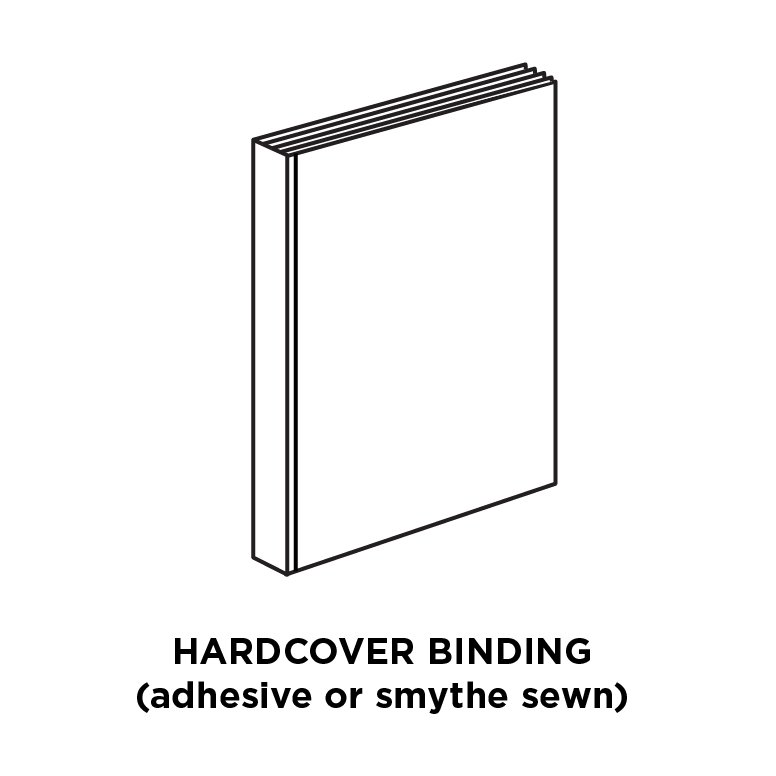
Hardcover Binding (also called case binding) is the most premium and durable book binding option. It involves sewing the book block (pages) together (often using side sewn or Smyth sewn binding for maximum strength) and attaching it to a rigid cover made of cardboard, which is then wrapped in cloth, leather, or printed paper. This method is designed to protect the book’s pages for decades.
Key Features: Exceptional durability, luxurious appearance, customizable covers (embossing, foil stamping, dust jackets), and the ability to lay flat if sewn. It works with page counts between 48 and 1000+ pages.
Pros: Long-lasting (resists wear and tear), premium shelf appeal, protects pages from damage, and can be customized with decorative elements like gold foil stamping or embossing.
Cons: More expensive than other binding methods, longer production time, and heavier (which may increase shipping costs).
Ideal For: Coffee table books, art books, textbooks, reference books, collector’s editions, children’s books (for durability), and archival documents. Guangzhou Shanghua Color Printing specializes in custom hardcover binding—explore our options at ecobookprint.com.
9. Perfect Binding (Softcover Binding)
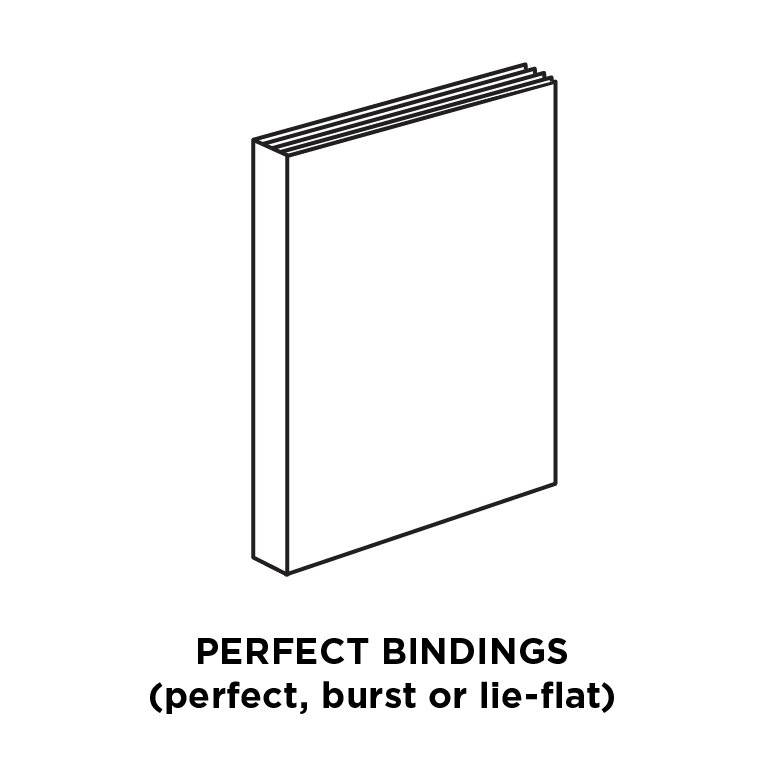
Perfect Binding is the most common book binding option for paperback books, journals, and thicker booklets. It involves stacking pages into a book block, trimming the spine edge, and gluing the pages to a flexible cover (usually made of cardstock or coated paper). The result is a smooth, flat spine that can be printed with the book’s title, author, and publisher—making it ideal for shelf visibility.
For enhanced durability, many publishers opt for PUR perfect binding, which uses a polyurethane adhesive that creates a stronger bond than traditional EVA glue, even for thick books or books with coated pages.
Key Features: Professional, clean appearance, printable spine, versatile page count range (48–600+ pages), cost-effective for medium to large print runs.
Pros: Versatile (works for most book types), affordable for bulk orders, professional shelf appeal, and compatible with color printing on covers and interiors.
Cons: Does not lay flat (pages will curve slightly when open), less durable than sewn or hardcover binding, and requires a minimum page count (usually 48 pages).
Ideal For: Novels, trade paperbacks, non-fiction books, journals, catalogs, manuals, and thicker magazines. Guangzhou Shanghua Color Printing offers both EVA and PUR perfect binding—visit ecobookprint.com to request a sample.
10. Corner Stapling Binding
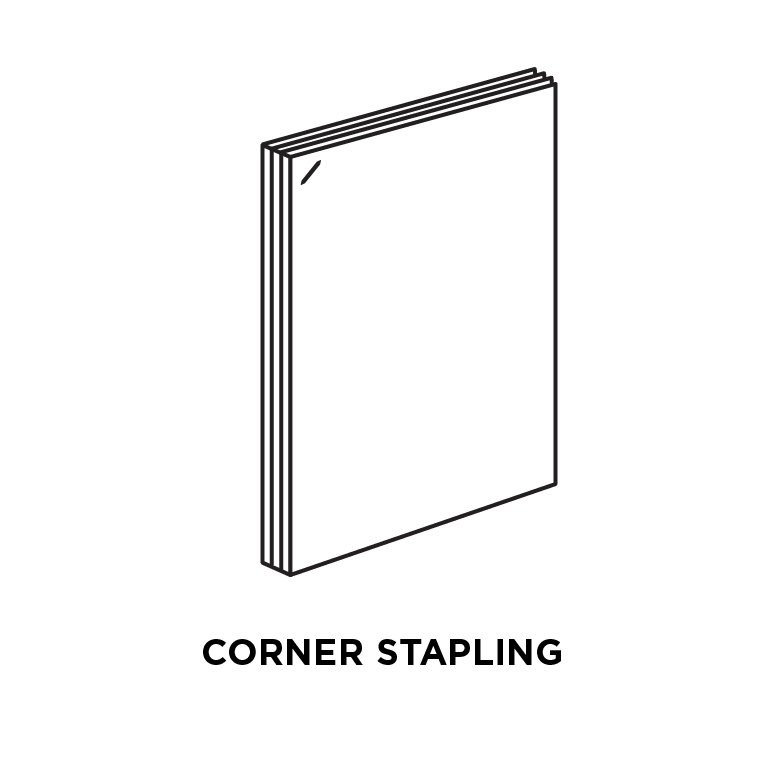
Corner Stapling Binding is the simplest and most affordable binding method, involving stapling pages together at one or two corners (instead of the spine). It requires no folding and is ideal for small, informal documents that need quick production.
Key Features: Extremely fast production time, lowest cost, lightweight, and easy to distribute. It works best with small page counts (8–20 pages) and thin paper.
Pros: Quick turnaround, budget-friendly (ideal for large short-run orders), simple design, and suitable for informal documents.
Cons: Least durable (pages can easily tear away from staples), not suitable for thick books, and has a casual appearance (not ideal for professional publications).
Ideal For: Flyers, handouts, meeting agendas, small booklets, and promotional materials. Guangzhou Shanghua Color Printing offers corner stapling for quick, cost-effective projects—learn more at ecobookprint.com.
11. Wire-O Binding
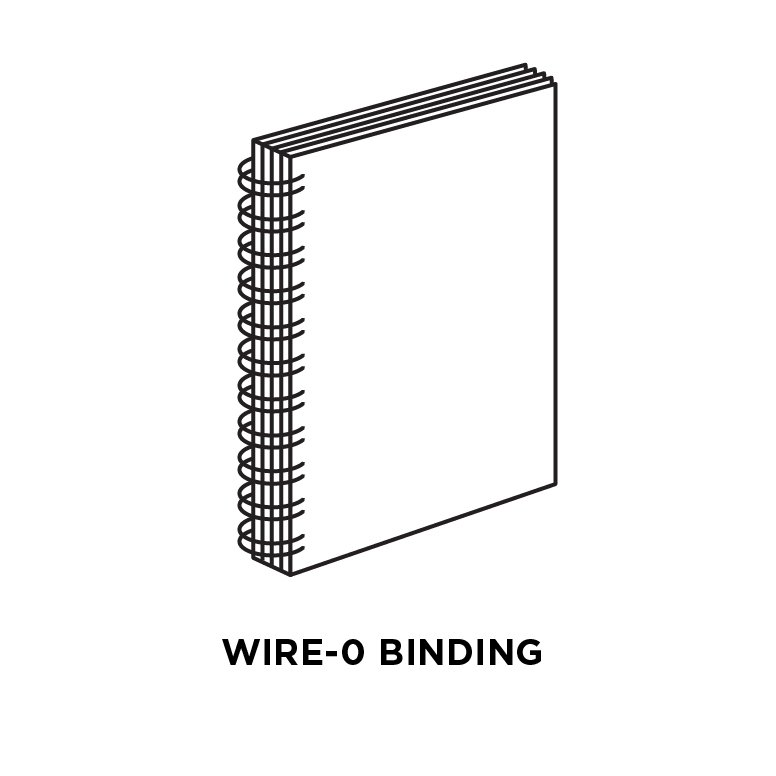
Wire-O Binding (also known as double-loop binding) uses a double-loop metal wire to hold pages together. The process involves punching holes along the spine edge of the book block and cover, then inserting the wire through the holes and crimping the ends to secure it. This method has a professional, sleek appearance while maintaining 360-degree page turning and lay-flat functionality.
Key Features: Professional appearance, lays flat, 360-degree page turning, durable metal wire, and compatible with custom cover designs. It works with page counts between 10 and 300 pages.
Pros: More elegant than spiral binding, durable, functional for reference books, and suitable for both professional and personal projects.
Cons: More expensive than spiral or comb binding, metal wire may rust if exposed to moisture, and not ideal for very thick books (over 300 pages).
Ideal For: Presentations, corporate manuals, planners, reference guides, and high-end workbooks. Guangzhou Shanghua Color Printing provides Wire-O binding with various wire sizes—visit ecobookprint.com for a custom quote.
12. Concealed Wire-O Binding
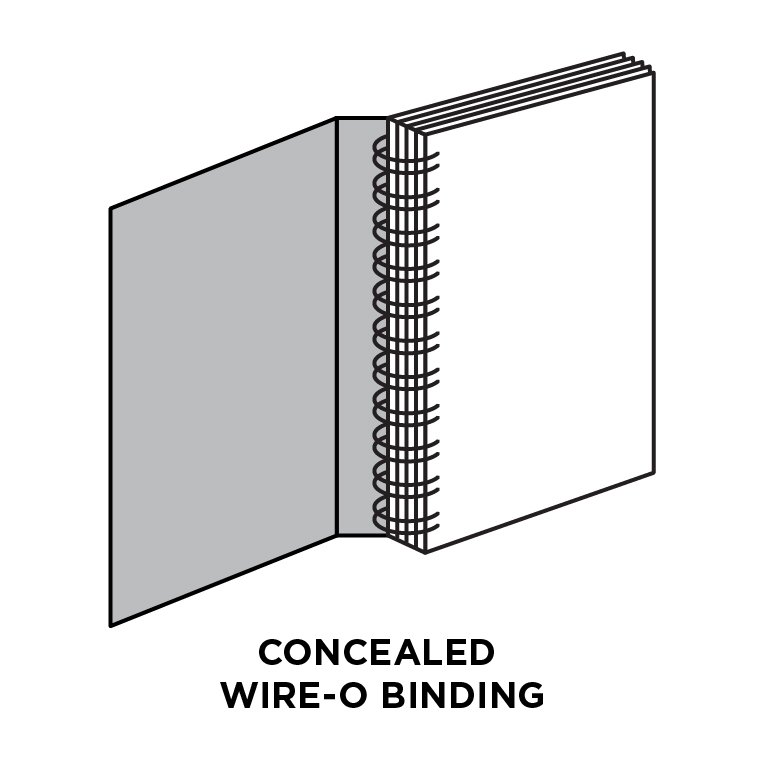
Concealed Wire-O Binding (also called hidden wire binding) is a premium variation of Wire-O binding, where the metal wire is hidden behind a folded cover. The cover is folded over the spine, concealing the wire and creating a clean, seamless appearance. This method combines the functionality of Wire-O binding with a more polished, professional look.
Key Features: Hidden metal wire, sleek, seamless appearance, lays flat, 360-degree page turning, and compatible with custom cover designs. It works with page counts between 10 and 250 pages.
Pros: More aesthetically pleasing than standard Wire-O binding, professional appearance, durable, and functional for reference books and high-end publications.
Cons: More expensive than standard Wire-O binding, longer production time (due to cover folding), and not ideal for very thick books.
Ideal For: High-end planners, professional presentations, premium journals, cookbooks, and coffee table booklets. Guangzhou Shanghua Color Printing offers concealed Wire-O binding with custom cover options—explore our services at ecobookprint.com.
How to Choose the Right Book Binding Option for Your Project
To summarize, here’s a quick reference guide to help you select the best book binding option from the 12 types above, based on your needs:
- Informal/short documents (8–20 pages): Corner Stapling Binding
- Thin booklets (8–64 pages): Saddle Stitch Binding
- Documents needing updates (any page count): Rivet Binding, Screw & Post Binding, Three-Ring Binding
- Affordable, flexible everyday use (10–500 pages): Comb Binding, Spiral Binding
- Professional reference books (10–300 pages): Wire-O Binding, Concealed Wire-O Binding
- Durable paperbacks (48–600+ pages): Perfect Binding, Side Sewn Binding
- Premium/collectible books (48+ pages): Hardcover Binding
If you’re still unsure which binding method is right for you, the team at Guangzhou Shanghua Color Printing is here to help. With years of experience in book printing and binding, we can provide expert advice tailored to your project’s page count, budget, and goals. Visit ecobookprint.com to browse our binding services, request samples, or get a free custom quote.
Why Choose Guangzhou Shanghua Color Printing for Your Book Binding Needs?
At Guangzhou Shanghua Color Printing, we understand that your book is more than just a collection of pages—it’s a reflection of your brand, vision, and hard work. That’s why we offer all 12 book binding options detailed above, using state-of-the-art equipment and high-quality materials to ensure every book we produce meets the highest standards of durability and aesthetics.
Our key advantages include:
- Comprehensive binding options: We specialize in all 12 types—rivet, saddle stitching, screw & post, comb, three-ring, spiral, side sewn, hardcover, perfect, corner stapling, wire-o, and concealed wire-o binding.
- Customization: From cover materials and finishes to wire/coil colors and embossing, we offer fully customizable solutions to match your brand.
- Competitive pricing: We offer cost-effective options for short runs, bulk orders, and everything in between—with no hidden fees.
- Fast turnaround: Our efficient production process ensures your books are delivered on time, even for tight deadlines.
- Expert support: Our team of printing and binding specialists is available to guide you through every step of the process, from choosing the right binding method to finalizing your design.
Whether you’re a self-published author, a small business, or a large publisher, Guangzhou Shanghua Color Printing has the expertise and resources to bring your book to life. Visit our independent site ecobookprint.com today to explore our services, request a sample, or get started on your book binding project.
Final Thoughts on Book Binding Options
With 12 distinct binding options to choose from, there’s a perfect method for every project—from simple handouts to premium collectible books. Choosing the right binding option is a crucial step in the book production process—it impacts how your book looks, feels, and performs over time. By considering your page count, durability needs, budget, and aesthetic goals, you can select a binding method that enhances your book and resonates with your audience.
With the right binding partner, you can ensure your book stands out on shelves and provides a great reading experience for years to come. Guangzhou Shanghua Color Printing is committed to delivering high-quality book binding solutions for all 12 methods—visit ecobookprint.com today to learn more and start your project.